by Mark Arthur
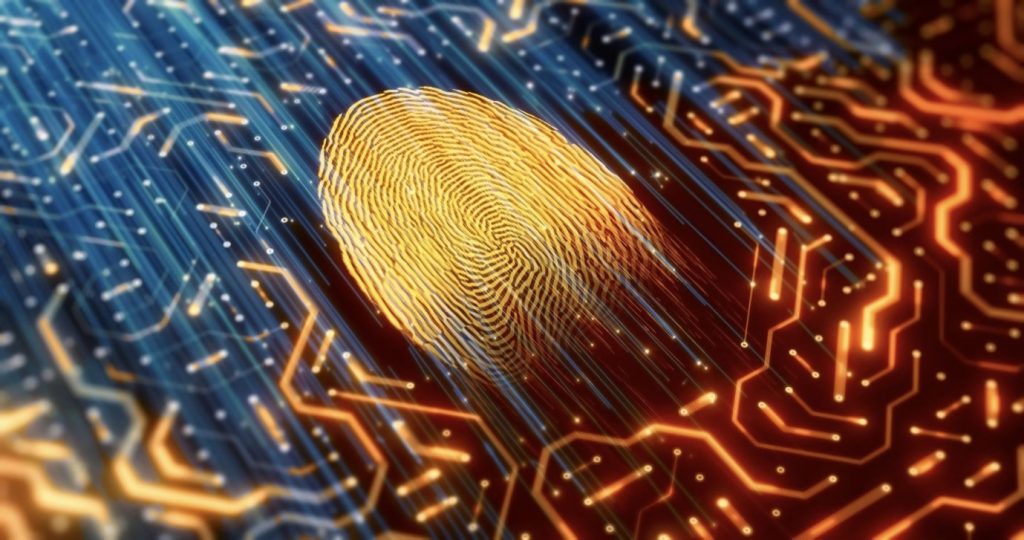
Digital identity has become an essential part of our lives — from logging into online banking to accessing healthcare portals or social media accounts. Yet, every time we create a new profile, we hand over fragments of our personal data to centralized systems. Over time, these digital footprints accumulate across various databases, often beyond our control.
So, who really owns your digital identity?
Today, corporations, governments, and social media giants act as custodians of your personal data — controlling how it’s used, stored, and shared. The result is a fragile system vulnerable to data breaches, misuse, and surveillance. But what if we could change that? What if you — and only you — had complete authority over your personal data?
That’s the idea behind Self-Sovereign Identity (SSI) — a revolutionary concept that redefines trust and privacy in the digital age. SSI empowers individuals to manage, store, and share their data securely without intermediaries. And platforms like blockIDs are leading this transformation, giving users true digital autonomy.
Let’s explore what makes Self-Sovereign Identity the cornerstone of tomorrow’s digital world.
What is Self-Sovereign Identity (SSI)?
Self-Sovereign Identity (SSI) is a decentralized digital identity framework that gives individuals full ownership of their identity information. Unlike traditional systems — where centralized authorities such as governments, banks, or corporations issue and manage identities — SSI enables users to create, store, and share their digital credentials independently.
At its core, SSI allows users to:
- Own their identity data without relying on centralized authorities.
- Control what information they share and with whom.
- Use decentralized identifiers (DIDs) and verifiable credentials (VCs) to securely prove authenticity.
For example, imagine applying for a loan online. Instead of uploading a scanned ID card or bank statement to a third-party database, you can share a verified credential from your SSI wallet — cryptographically signed, secure, and instantly verifiable. The bank confirms your information without ever storing or exposing your personal details.
SSI puts you in the driver’s seat — it’s not just an identity, it’s your personal digital passport.
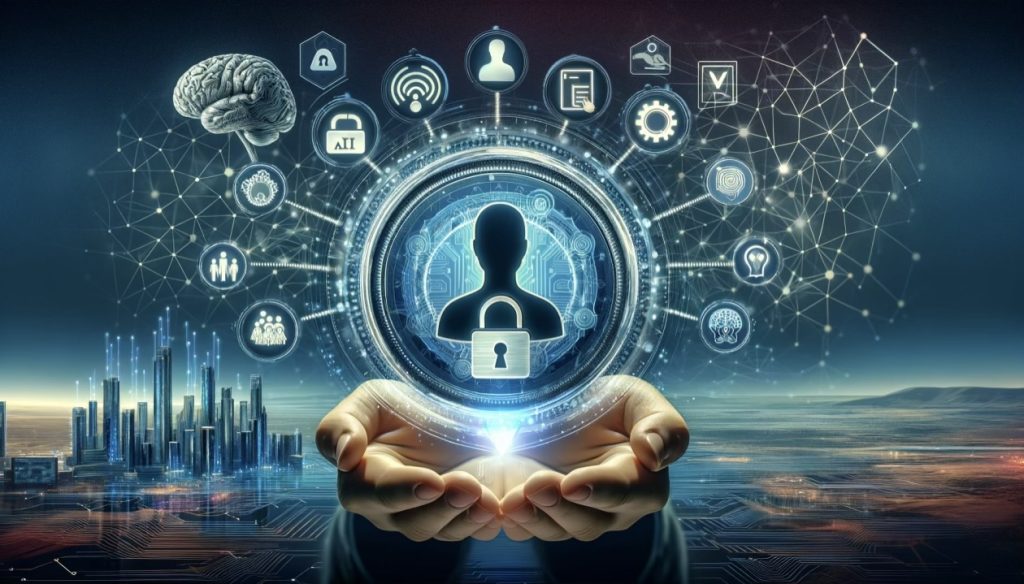
Why is Self-Sovereign Identity Important?
Modern digital life demands countless verifications — for healthcare, education, banking, and more. Every interaction leaves behind sensitive data traces. In centralized systems, that data is often vulnerable.
According to IBM’s Cost of a Data Breach Report 2023, the global average cost of a breach exceeded $4.45 million, with identity-related data being the most targeted. Incidents like these underscore why identity management must evolve.
SSI addresses these issues by shifting the balance of power back to users. Its benefits include:
- Privacy by Design: Share only necessary data. For instance, verify your age without revealing your full birthdate.
- Security through Decentralization: With blockchain, there’s no single point of failure.
- User Autonomy: You control your identity lifecycle — from creation to sharing and revocation.
- Interoperability: SSI credentials work seamlessly across global platforms.
SSI takes this concept further — making identity borderless, private, and user-owned.
Three Key Pillars of Self-Sovereign Identity
SSI operates through three essential pillars that define its strength and functionality:
1. Decentralization
Traditional identities are stored in centralized databases vulnerable to cyberattacks and leaks. SSI replaces this with distributed ledgers (such as blockchain), ensuring that no single entity can manipulate or misuse your data. Users retain ownership through cryptographic keys — accessible only to them.
2. User Control
You determine what data to share, how long it’s accessible, and to whom. SSI allows for selective disclosure, meaning you can share proof of an attribute (like your citizenship or education) without exposing all related details.
3. Interoperability
SSI adheres to W3C standards for Decentralized Identifiers (DIDs) and Verifiable Credentials (VCs), enabling credentials to function across different services, countries, and platforms. Whether accessing healthcare in another country or proving identity online, your SSI remains universally recognized.
Core Principles of Self-Sovereign Identity
Self-Sovereign Identity (SSI) operates on a set of guiding principles that distinguish it from traditional identity systems. These principles ensure that digital identities are secure, portable, interoperable, and user-controlled, empowering individuals to reclaim ownership of their data in a transparent and decentralized way.
Let’s take a closer look at the foundational values that make SSI a revolutionary step forward for digital identity management:
1. Control
At the heart of SSI is user control. Unlike centralized identity systems where governments, corporations, or platforms manage and store your data, SSI ensures that individuals are the ultimate custodians of their own information.
You decide what data to share, when to share it, and with whom. This not only enhances privacy but also prevents misuse of personal data — putting you firmly in charge of your digital footprint.
For example, when proving your age or citizenship, SSI allows you to disclose only the relevant information rather than an entire ID document, preserving your privacy while fulfilling verification needs.
2. Portability
Your identity shouldn’t be confined to one service or platform. SSI ensures that credentials are portable, meaning they can move with you across devices, networks, and applications.
Whether you’re logging into a banking app, applying for a visa, or enrolling in an online course, your verifiable credentials remain accessible in your SSI wallet.
This portability ensures a seamless user experience and reduces redundancy, allowing you to maintain a consistent identity across multiple platforms without needing to recreate or reverify your information every time.
3. Security
Security is a cornerstone of SSI. The system relies on blockchain-based cryptography to protect your credentials from tampering, forgery, or unauthorized access. Each transaction — whether issuing, verifying, or sharing credentials — is encrypted, timestamped, and verifiable.
Because the blockchain acts as an immutable ledger, it eliminates single points of failure common in centralized databases. This means that even if one node or entity is compromised, the overall integrity of your identity remains intact.
With cryptographic keys and Decentralized Identifiers (DIDs), users can securely authenticate themselves without relying on vulnerable passwords or centralized login systems.
4. Transparency
Transparency in SSI means that all interactions — such as identity issuance, verification, and credential sharing — are openly verifiable and traceable without exposing private data.
Organizations and verifiers can see that a credential is authentic and valid, but not its underlying personal information. This balance of transparency and privacy builds trust between users and service providers.
Because the rules governing SSI ecosystems are typically open-source and standards-based (such as the W3C’s DID and Verifiable Credential frameworks), users can trust that the system operates fairly and predictably.
5. Persistence
Identity is continuous — it shouldn’t disappear or become invalid just because an organization changes systems or ceases operations. SSI ensures persistence, meaning your credentials remain valid and usable over time, independent of any specific issuer or verifier.
This long-term durability gives individuals a lifetime digital identity, allowing them to maintain verified credentials even as technology or institutions evolve. For example, even if a university updates its credential system, your blockchain-anchored diploma remains verifiable indefinitely.
6. Interoperability
A truly self-sovereign identity must be recognized globally. SSI’s interoperability is powered by standardized protocols like W3C Verifiable Credentials (VCs) and Decentralized Identifiers (DIDs), which ensure that credentials issued in one system can be seamlessly verified in another.
This means a driver’s license issued in one country could be verified by a foreign authority or business without manual verification — all thanks to the global compatibility of decentralized identity standards.
Interoperability ensures SSI is not limited by borders, vendors, or technologies — it’s a universal identity framework for the digital age.
7. Decentralization
Traditional identity systems rely on centralized databases that store millions of user records — making them prime targets for hackers. SSI replaces this vulnerable model with decentralization, distributing trust and control across a blockchain network instead of a single entity.
No single organization, government, or company has unilateral control over your identity. Instead, SSI relies on a trustless, peer-to-peer model, where each participant — issuer, holder, and verifier — interacts securely and directly.
This decentralized approach reduces the risk of censorship, data breaches, and unauthorized surveillance, fostering a digital ecosystem rooted in autonomy and accountability.
Together, these principles form the ethical and technical backbone of Self-Sovereign Identity. They establish a world where individuals can prove who they are — securely, privately, and seamlessly — without depending on centralized intermediaries.
SSI doesn’t just redefine digital identity; it represents a paradigm shift in how society approaches trust, ownership, and data sovereignty in the modern internet era.
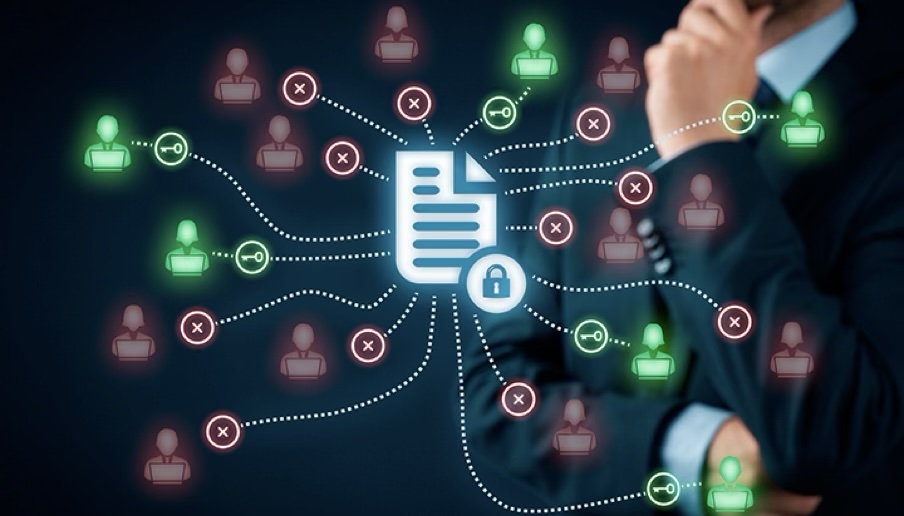
Real-World Use Cases of Self-Sovereign Identity
SSI isn’t a futuristic concept — it’s already reshaping industries worldwide. Here’s how:
1. Education
Graduates can store verified digital diplomas in their SSI wallets, which employers can instantly verify. This eliminates fraudulent claims and speeds up recruitment processes.
2. E-Commerce
Online shopping often exposes personal details to multiple vendors. SSI allows for identity verification without revealing sensitive information — reducing identity theft and fraud, which cost U.S. retailers over $100 billion in 2023.
3. Travel
Imagine seamless airport check-ins using digital passports. SSI enables travelers to share verified credentials for identity and visa checks directly from their mobile wallets — drastically reducing waiting times and manual errors.
4. Finance
SSI simplifies Know Your Customer (KYC) processes. Instead of repeatedly submitting identity proofs, users can present blockchain-verified credentials to multiple institutions, improving security and efficiency while ensuring compliance.
5. Healthcare
Patients can manage their medical records securely and share them only with trusted healthcare providers. This ensures privacy and prevents data misuse.
How blockIDs is Empowering Users through SSI
blockIDs, developed by Paiblock, is a pioneering platform enabling the practical implementation of Self-Sovereign Identity in everyday life. Built on blockchain principles, blockIDs gives users a single, secure space to manage their identity, credentials, and digital interactions — completely under their control.
Key Features of blockIDs:
- Unified Digital Identity Wallet: Store government IDs, bank credentials, and verified documents in one secure location.
- Selective Data Sharing: Share only the necessary proof (for example, verifying age or citizenship) without disclosing complete data.
- Cross-Sector Use: Useful for finance, travel, healthcare, and digital services.
- Compliance and Security: Meets global data protection standards such as GDPR and eIDAS.
- Blockchain-Based Authentication: Each transaction is verified using decentralized identifiers (DIDs), ensuring authenticity and trust.
By leveraging SSI, blockIDs empowers individuals and organizations to create a trustless ecosystem where privacy and transparency coexist harmoniously.
How SSI Works
The SSI model involves three key entities — the Issuer, the Holder, and the Verifier.
- Issuer: A trusted organization (like a university or government) that issues verifiable credentials to a user.
- Holder: The individual who stores these credentials in a secure digital wallet (like blockIDs).
- Verifier: An entity that requests proof of credentials (like an employer or bank).
When verification is required, the holder shares a verifiable credential through their wallet. The verifier confirms its authenticity via Decentralized Identifiers (DIDs) recorded on the blockchain — without needing to contact the original issuer.
This decentralized verification model ensures security, speed, and privacy at every level.
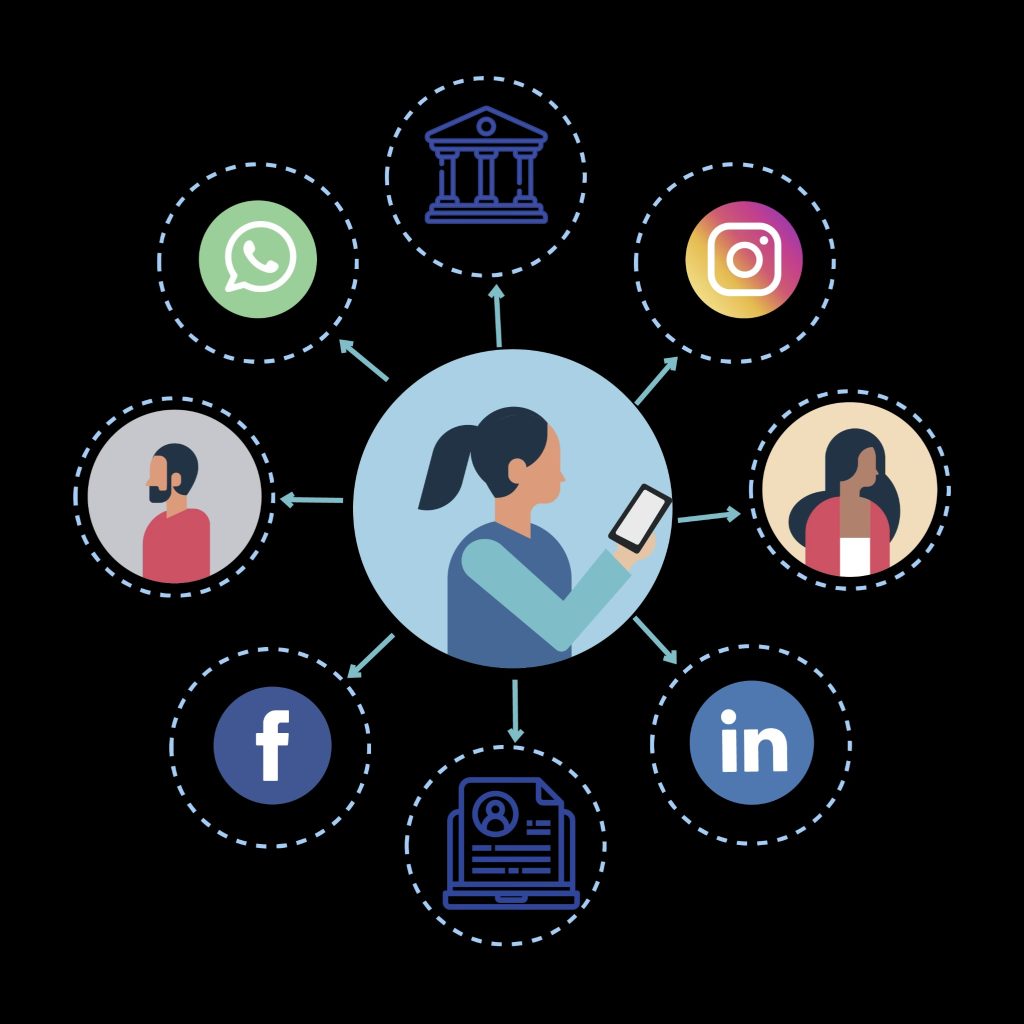
Pros and Cons of Self-Sovereign Identity
| Stakeholder | Pros | Cons |
| Organizations | Increased trust and transparency; Reduced dependency on third-party verifiers; Compliance with privacy regulations. | Requires new infrastructure; High initial setup costs; Complexity in integration. |
| Individuals | Full control over personal data; Enhanced privacy; Reduced risk of identity theft. | Requires user awareness; Responsibility for securing credentials; Limited adoption so far. |
| Developers | Innovative frameworks for decentralized apps; Lower costs over time. | Complex blockchain integration; Requires cryptographic expertise. |
Despite these challenges, the long-term benefits of SSI — especially with tools like blockIDs — outweigh the growing pains of transition.
Summary
Self-Sovereign Identity is redefining how trust and identity work in the digital era. It replaces outdated, centralized systems with a user-driven, decentralized framework — where individuals own, manage, and share their credentials securely.
For businesses, SSI means more secure and compliant identity verification. For individuals, it represents freedom, privacy, and empowerment. And with platforms like blockIDs, that vision is already becoming reality.
SSI is not just about technology — it’s about returning ownership of identity to where it belongs: the individual.
Ready to embrace a secure, user-centric future? Explore blockIDs by Paiblock today and experience the next evolution of digital identity.
Frequently Asked Questions (FAQs)
1. What is Self-Sovereign Identity (SSI)?
SSI is a decentralized model of identity management where individuals control their personal information using blockchain-based wallets and verifiable credentials.
2. How does SSI enhance data security?
By eliminating centralized storage and using encryption, SSI ensures that only verified users can access identity data — reducing risks of breaches and misuse.
3. What are Decentralized Identifiers (DIDs)?
DIDs are unique digital identifiers that link an individual to their credentials without revealing personal information publicly.
4. Can SSI integrate with existing systems?
Yes. Platforms like blockIDs support interoperability, allowing integration with existing identity management and enterprise systems while maintaining compliance.
5. Who can benefit from SSI?
Individuals, businesses, and developers all gain — users control their data, organizations reduce compliance costs, and developers innovate new secure applications.